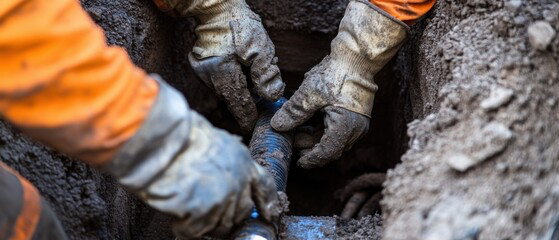
Most homeowners never think about their sewer line until something goes wrong. A foul odor coming from the drains, water backing up into sinks, or soggy patches appearing in the yard can quickly turn an ordinary day into a stressful situation. Because sewer lines are hidden underground, problems often go unnoticed until the damage becomes severe.
Sewer line repair is an essential service that helps restore proper wastewater flow, protect property from damage, and prevent costly plumbing emergencies. Visit Website for more details about sewer line repair.
Understanding the Role of a Sewer Line
A sewer line is one of the most important parts of a plumbing system because it carries wastewater away from the home or building. Every time water is used in sinks, toilets, showers, or appliances, it flows through drain pipes and into the main sewer line. From there, the wastewater is transported safely to a treatment system or septic setup.
Since sewer lines operate continuously, they are exposed to constant wear and pressure. Over time, debris buildup, corrosion, shifting soil, and tree root intrusion can affect the condition of the pipes. Because these lines are underground, damage may remain hidden for long periods before noticeable symptoms appear.
A properly functioning sewer line is essential for maintaining sanitation and preventing wastewater from backing up into the property. When sewer line problems occur, quick repairs are necessary to restore safe and efficient plumbing operation.
Common Signs of Sewer Line Problems
One of the first signs of a damaged sewer line is slow drainage throughout the home. If multiple sinks, tubs, and toilets begin draining more slowly at the same time, the issue may involve the main sewer line rather than an isolated clog. Persistent drainage problems should never be ignored because they often indicate deeper plumbing concerns.
Foul odors are another major warning sign. Sewer gas smells coming from drains or outdoor areas can suggest a crack, blockage, or leak within the sewer line. These odors may become stronger over time if the problem is not addressed quickly.
Frequent plumbing backups are also common symptoms of sewer line damage. Water may back up into sinks, showers, or toilets when wastewater cannot move properly through the pipe. Gurgling sounds in drains and bubbling water around toilets may also indicate restricted sewer flow.
Outdoor warning signs can include soggy patches of grass, unusually green landscaping, or sinkholes forming near underground pipes. These symptoms may suggest wastewater leakage caused by a damaged sewer line.
Common Causes of Sewer Line Damage
Several factors can contribute to sewer line problems over time. Tree root intrusion is one of the most common causes of sewer line damage. Roots naturally seek moisture and can enter even small cracks in underground pipes. As roots grow, they may block wastewater flow or cause the pipe to crack further.
Pipe corrosion is another common issue, especially in older plumbing systems. Over time, metal pipes may weaken and develop leaks or structural failures. Corrosion can reduce water flow and increase the risk of complete pipe collapse.
Clogs caused by grease, wipes, paper products, and debris can also place excessive pressure on sewer lines. Severe blockages may eventually damage the pipe or cause wastewater to back up into the property. Shifting soil, ground movement, and heavy construction near underground pipes may also lead to sewer line cracks or misalignment.
Understanding the causes of sewer line damage helps homeowners take preventive measures and recognize potential risks before major repairs become necessary.
The Sewer Line Inspection Process
Before repairs can begin, a detailed sewer line inspection is usually performed to identify the source and extent of the problem. Modern plumbing inspections often use specialized sewer cameras that travel through the pipe and provide a clear view of the interior condition.
Camera inspections help locate cracks, blockages, root intrusion, corrosion, and collapsed sections without extensive digging. This technology allows professionals to diagnose problems more accurately and recommend the most effective repair solution.
During the inspection, professionals also evaluate the overall condition of the pipe and determine whether repairs or full replacement may be necessary. Early detection through inspections can help prevent more severe damage and reduce repair costs over time.
Routine inspections are especially important for older properties where sewer lines may have experienced decades of wear. Preventive inspections allow homeowners to address issues before they turn into emergencies.
Types of Sewer Line Repair Methods
There are several methods used for sewer line repair depending on the severity and location of the damage. Traditional sewer repair involves excavating the damaged section of pipe and replacing it directly. While effective, this method may require significant digging that can affect landscaping and driveways.
Trenchless sewer repair has become increasingly popular because it minimizes disruption to the property. One common trenchless method is pipe lining, where a flexible liner coated with resin is inserted into the damaged pipe. Once hardened, the liner creates a new pipe within the old one.
Pipe bursting is another trenchless technique used when the existing pipe is severely damaged. This process breaks apart the old pipe while simultaneously installing a new one in its place. Trenchless methods often reduce labor time and preserve more of the surrounding property.
The best repair method depends on the condition of the pipe, the location of the damage, and the overall plumbing system. Professional evaluation helps determine the most appropriate solution for long term reliability.
Why Prompt Sewer Line Repair Matters
Delaying sewer line repair can lead to serious consequences for both the plumbing system and the property itself. Small cracks or blockages often worsen over time as wastewater pressure continues building inside the pipe. What begins as a minor issue can eventually turn into a complete sewer line failure.
Untreated sewer leaks can also damage landscaping, foundations, and nearby structures. Wastewater contamination may create unsanitary conditions and increase health risks for occupants. The longer sewer problems are ignored, the more expensive and disruptive repairs are likely to become.
Prompt repair helps restore proper wastewater flow and prevents further structural damage. Addressing issues early also reduces the chances of emergency plumbing situations such as sewage backups inside the home.
Homeowners who respond quickly to warning signs often save significant time and money compared to those who delay repairs until severe damage occurs.
Preventing Future Sewer Line Problems
Preventive maintenance is one of the most effective ways to protect sewer lines from future damage. Being careful about what enters drains is extremely important. Grease, wipes, paper towels, and non biodegradable materials should never be flushed because they contribute to clogs and pipe stress.
Routine drain cleaning helps remove buildup before blockages become severe. Scheduling periodic sewer inspections also allows professionals to identify early signs of wear, root intrusion, or structural problems before major repairs are needed.
Tree root prevention is another important part of sewer line care. Large trees planted near underground pipes may increase the risk of root intrusion over time. Monitoring landscaping and maintaining proper distance between trees and sewer lines helps reduce this issue.
Water conservation can also support healthier plumbing systems by reducing excess pressure on pipes. Responsible plumbing habits combined with routine maintenance help extend the lifespan of sewer lines significantly.
Benefits of Professional Sewer Line Repair
Professional sewer line repair provides several important benefits beyond simply fixing the immediate problem. One major advantage is accurate diagnosis. Experienced professionals use advanced inspection equipment to locate the exact source of damage and recommend the most effective repair method.
Another benefit is long term reliability. Properly repaired sewer lines restore efficient wastewater flow and reduce the likelihood of recurring plumbing issues. Professional repairs also help prevent hidden leaks and structural damage that may worsen over time.
Safety and sanitation are equally important. Sewer line issues involve wastewater contamination that can create health risks if handled improperly. Professional repair services ensure that repairs are completed safely and according to proper plumbing standards.
Investing in professional sewer repair also protects property value. A healthy plumbing system is an important part of maintaining the overall condition and functionality of the home.
Conclusion
Sewer line repair is a critical part of maintaining a safe and efficient plumbing system. Hidden underground damage can quickly lead to backups, foul odors, wastewater leaks, and costly property damage if left untreated. Understanding the signs of sewer line problems and responding quickly helps homeowners avoid major plumbing emergencies.
From inspections and trenchless repairs to preventive maintenance, professional sewer services provide long term solutions that restore proper wastewater flow and protect the property. Routine care and responsible plumbing habits also help reduce the risk of future sewer line issues.
A properly functioning sewer line supports a cleaner, healthier, and more reliable home environment. By investing in timely repairs and regular maintenance, homeowners can protect their plumbing system and enjoy greater peace of mind for years to come.