Foundation Repair Nashville fixes structural issues by raising sunken sections of the house to their original elevation. The supports are installed underground through digging, drilling, and pouring concrete for piers or driving pre-formed pieces of concrete into the ground for pilings.
Slab piers lift homes built on slab foundations, while wall anchors stabilize bowing or leaning walls. Mudjacking and polyurethane injection fill voids under concrete slabs but don’t address unstable soil conditions.
Cracks in foundation walls can cause homeowner anxiety and raise concerns about the structural integrity of a home. However, not all cracks indicate serious problems and not all cracks need immediate repair. Knowing how to distinguish between harmless cracks and those that require repair is the first step in preserving the value of your home and avoiding costly repairs.
Hairline cracks are the most common type of foundation crack and are typically not structurally significant. They develop within days or weeks after construction as concrete or mortar dries. Although they are not a reason to panic, homeowners should monitor them and look for changes in size or direction.
If a crack in a foundation wall is wide and vertical, it is a sign of a potential structural problem. In this case, a professional should evaluate the crack and determine if it requires immediate repair. A professional may recommend a variety of solutions, depending on the root cause of the cracking, such as installing helical or push piers to stabilize the foundation.
Water damage is another common problem associated with foundation cracks. Gaps that allow water infiltration can lead to mold growth, wood rot, and other secondary damage. These gaps can be repaired with epoxy or polyurethane injections, interior basement waterproofing, and drainage system improvements around the house.
A common way to treat a leaky crack in a foundation wall is to use caulk. While this can temporarily seal a leak, it is not a long-term solution. Water will eventually seep through the caulk and create a new crack. To properly repair leaking foundation cracks, it is necessary to apply a waterproof masonry sealer.
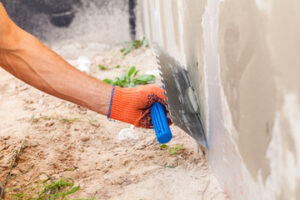
Once a professional has determined the source of a foundation crack, they will need to dig around it to expose the entire area. This will allow them to locate the crack and prepare a work area for the next steps in the process. Once the crack is exposed, they will begin to fill it with a concrete patching material that is designed to hold up against pressure. Once the crack has been filled, it is important to apply a waterproof masonry sealer to the patch and surrounding concrete to prevent water infiltration.
Sediments
Despite the fact that most modern homes are built with care and quality in mind, there are still problems resulting from soil expansion. Expansive soil can cause serious structural damage to your foundation. It can also result in a collapsed house. The best way to prevent this is by taking the proper precautions and contacting professional foundation repair experts before problems occur.
A home’s expansive soil problem is usually caused by poor construction and soil conditions. It can result in a foundation that is not stable, which in turn can lead to cracks in the walls of your home. However, this can be remedied by a number of methods. The first step is to call a contractor to assess your foundation and the surrounding area. This will help determine what the problem is and what can be done to fix it.
Sediments are finely grained materials that were once living organisms and then turned into rock by the action of water, wind, or plants. The process is called lithification. The sediments vary in color based on their composition. For example, blues and grays are signs of carbon from decaying organic matter that was buried in the ground or underwater for a long period of time. Reds are often a result of iron minerals, such as hematite. The study of sediments and their formation is called sedimentology.
Dredging activities contribute to the accumulation of sediments in coastal areas, limiting the functionality of water reservoirs and reducing their capacity to manage large flood inflows, supply water, and generate hydroelectric power. Therefore, the use of dredged sediments in construction applications is a promising strategy for addressing these issues by providing sustainable building material resources.
Marine sediments are readily available and cheap to produce, and their incorporation into concrete is a promising solution for increasing the environmental sustainability of the construction industry. Furthermore, the use of dredged sediments allows for significant cost savings as compared to traditional building materials. This synergy between water resource maintenance and sediment valorization promotes economic viability while upholding the principles of a circular economy.
Structural Issues
When a home’s foundation experiences structural issues, the resulting damage is often serious. Cracks, heaving, sinking, and leaning walls threaten the home’s stability and value. These problems only get worse over time, requiring more costly and complicated repairs. The right structural repair method can restore the integrity of the home and help prevent future issues.
It’s important to know the warning signs of structural issues and understand how they can be repaired. The most common sign of a problem is visible cracks in the walls, ceilings, and floors. These cracks may appear horizontal, vertical, stair-step, or diagonal. Horizontal cracks indicate that the soil is putting pressure against the wall, while diagonal and stair-step cracks indicate more serious issues. Other signs include sticking doors and windows, which occur when the foundation shifts.
Hairline cracks that are less than 1/10 inch wide usually aren’t a major concern. These are usually caused by drying shrinkage and can be fixed with simple sealants. However, homeowners should monitor these cracks to ensure they do not grow larger.
Uneven Floors
Settling of the foundation can cause floors to become uneven, causing a bumpy living environment. In addition, this can also affect door and window frames, making them difficult to open or close. Other signs of uneven foundations include chimneys that are pulling away from the house, sagging stairways, and noticeable gaps between walls and floors.
A professional inspection can help determine the best methods for repairing structural issues. The type of repair required depends on the severity and location of the cracks, as well as the soil conditions and moisture levels around the foundation. For example, if the cracks are in a basement with clay-heavy soil, carbon fiber reinforcement is typically the most effective solution. In addition, a professional can recommend ways to avoid further damage, such as ensuring proper drainage and preventing water intrusion through basement walls. The expert can also suggest a cost-effective way to prepare the foundation for resale, which helps buyers feel confident about the home’s value.
Cost
Foundation repairs aren’t cheap, but a well-planned budget can help you manage the costs without jeopardizing the quality of work. Taking the time to assess the extent of the damage and obtain detailed estimates from multiple contractors can give you a realistic picture of what the project will entail. Additionally, opting for higher-quality materials can reduce recurring issues that drive up repair costs.
Foundation problems tend to worsen over time, so it’s important to address them promptly. Delay can also lead to more serious structural issues that require more extensive and costly repairs. When determining your budget, consider the total cost of the repair, including labor and any required permits or inspections.
Depending on the severity of the problem, the foundation repair method used can also impact the cost. For example, a crack sealant might be cheaper than a slab lifting or piering solution. However, the latter option can be more effective and longer-lasting, so it may be worth paying a little extra to get the best results.
Another factor that impacts the cost of home foundation repair is the contractor you choose. Many companies will try to upsell you on more extensive repairs, so it’s important to find a reputable company that offers competitive pricing and transparent communication. Checking references and requesting a warranty can also ensure you’re receiving the highest-quality service for your money.
Setting up a savings account or emergency fund can also help you prepare for unexpected foundation repairs. Be sure to set a specific amount that you can comfortably allocate each month and track your progress. It’s also a good idea to explore financing options that can make major repairs more accessible, so you don’t have to wait until the damage gets out of control.
Aside from restoring the structural integrity of your home, foundation repairs are also essential for preserving your property value. A damaged foundation can affect your home’s curb appeal, so repairing it as soon as possible is an excellent way to improve its appearance and recoup some of the initial investment.
