Besides providing a subjective appearance benefit, regular Lawn Mowing Cape Girardeau is important to the health of your yard. It helps to weed out the weak grass shoots and allows the stronger ones to flourish.
The best time to cut the lawn is mid-morning. This ensures that the grass has enough time to recover before evening.
Mid-Morning
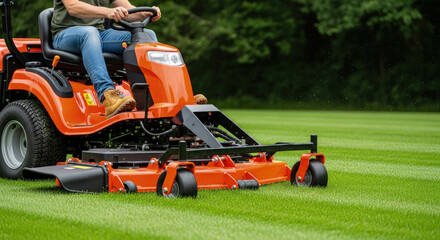
The best time to mow your lawn is during mid-morning. By this time, the dew from the night has dried and your grass will be able to handle being cut without wilting. Mid-morning is also the safest time of day to mow, as the sun is not yet at its peak and there is less risk of burning your grass.
However, it is possible to cut your grass at other times of the day if necessary. For example, if you have an overgrown lawn that requires a heavy-duty mower or you live in a hot climate where the temperatures spike at noon, it may be necessary to mow your grass during the afternoon for optimal results. In this case, it’s important to be very careful and make sure your mower is in excellent condition so that you can avoid damage and stress on your grass.
Early morning mowing is often considered one of the worst times to mow because the wet grass can create wet clumps that can get stuck on the mower blades and cause them to tear or uproot. Wet clumps of grass can also provide the ideal entry point for disease and fungus to infect your lawn. In addition, the heat of the day and wet grass can quickly wear out your mower, which can lead to more costly repairs in the future.
It’s also worth mentioning that if you’re hiring professional lawn care services, it can be difficult to request your lawn be mowed at a certain time of day if they don’t have the availability to do so. Most professionals make their mowing schedules according to route density, and requesting a service at an unusual time can impede their ability to complete their work in a timely manner.
For this reason, many homeowners opt to water their lawns in the late afternoon after they’ve been mowed. This is a great way to ensure that the lawn has the chance to dry before it gets dark, which can prevent the formation of mold and other problems. It also gives the lawn some time to recover from being mowed before the cool temperatures of the evening set in.
Late Afternoon
One of the most important aspects of a beautiful garden is a well-maintained lawn. Not only does it provide a manicured botanical haven, but it also helps to withstand adverse weather conditions and pests. While mowing and hedge trimming seem like relatively simple tasks, there are optimal times when they should be done for the best results.
Ideally, you should mow your grass in the morning when it has had time to dry out and before the sun reaches its peak. This is a good time to do your mowing because the grass will be cool, and you can avoid stressing both the lawn and mower with the heat of the day.
However, we understand that not everyone can get out there in the morning to cut their lawn. Whether it’s due to work schedules, rain, or noise ordinances, not everyone can fit mowing their lawn into their busy day.
When this happens, it’s important to find the next best time to cut your lawn. For most people, the late afternoon or evening is the second best time to mow. By this time, the dew from the morning has dried and it’s starting to cool down, which means the grass will be less stressed after it’s been mowed.
Another benefit of mowing your lawn at this time is that it will be more hydrated and likely less vulnerable to heat or drought. While you will still need to irrigate your lawn to keep it healthy, the grass will retain more moisture because it won’t have been stripped by the sun.
Mowing your lawn at the optimal time is not only beneficial for the health of the grass, but it will make you look more professional when guests arrive. This is because a well-kept lawn has an even trim that looks great in photos. Aside from aesthetics, regular mowing will also thin out weak grass shoots so the sturdier ones can grow in their place. This will also help reduce vermin, as rodents and ticks prefer to live in higher up plant matter.
Early Evening
Nothing takes your garden to the next level more than a well-manicured lawn and hedges. While these tasks seem simple, there are optimal times during the day to do them for best results. To avoid the heat and ensure that your lawn retains moisture, mowing during early evening is ideal.
Wet grass can clog mower blades and lead to an uneven trim, as well as clumps of wet clippings that can smother the growing areas of your yard. Additionally, if you don’t get your wet grass raked up, it can become an open invitation for lawn diseases and fungus to start taking hold.
Mowing at this time of the day also stresses both your lawn and the person doing the mowing. The sun is high and intense, so it’s important to make sure that you wear adequate sun protection and are well-hydrated. You also run the risk of heat exhaustion, so it’s a good idea to take a break every 15 to 20 minutes.
The late afternoon is the second-best time to cut your grass because it is not as hot as the morning and provides enough light for you to complete the task. Generally, by 6 p.m. the dew has evaporated and it is not yet too dark to mow.
This time of the day also allows your grass plenty of time to recover from the cutting before nightfall comes and it is exposed to mold, fungus, and disease. Ideally, you’ll still want to water the lawn afterward because this will help it retain moisture.
If you’re a busy professional who can’t mow your lawn during the optimal time periods of the day, consider hiring a local landscaper to do it for you. When you sign up for a free lawn care quote with GreenPal, you can let the service provider know what time of the day you’d like your yard to be cut. Just make sure that your request is specific so that you get the right type of service.
Night
If you’re a weekend warrior and bust out the lawn mower once the sun goes down, you may be damaging your grass. North notes that mowing the lawn at night, or even late into the evening, is too late and should only be done as a last resort. Doing so will leave your turf exposed to disease and fungus as it hasn’t had time to recover from the cut. As a rule of thumb, the best times of day to mow are: Mid-morning, late afternoon and early evening. This will reduce stress on your turf, allow dew to dry, and promote a healthier lawn with fewer diseases and fungi.